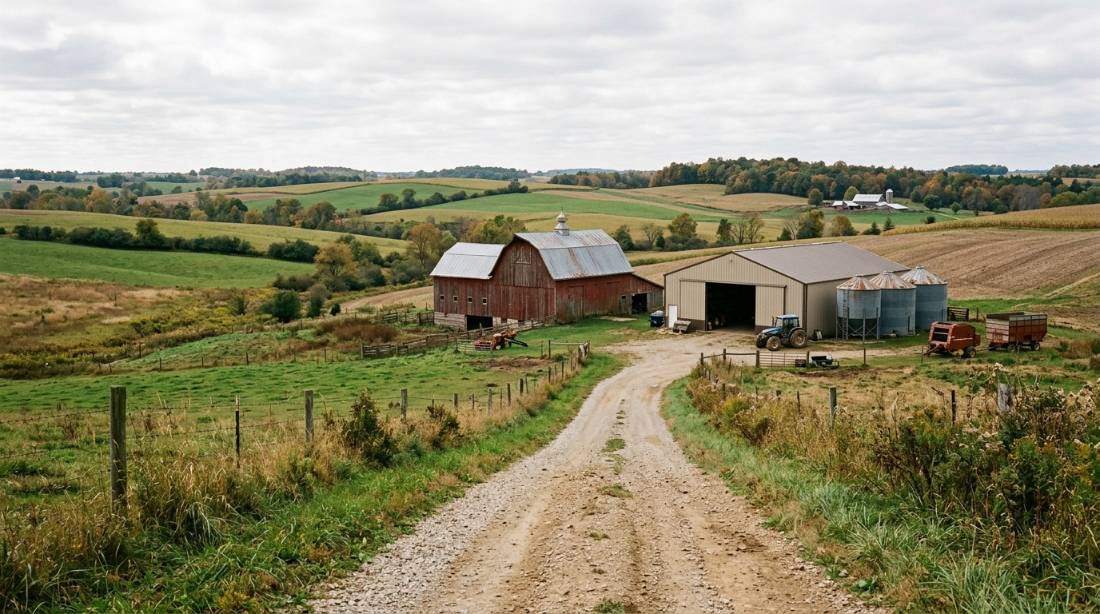
Magnolia, Larue County
Plumbers for Magnolia
Much of Magnolia runs on private systems on ground that is soluble limestone. Both facts change the diagnostic order before anyone opens a toolbox.
Open 24 hours. Tell us the road and what is happening.
- Buffalo · Hodgenville · Frankfort
- Farm and small-town addresses
- Wells, septic and limestone
- 24/7 emergency response
Wells, septic and karst
Where the property is on a well and pressure tank, a pressure complaint is the system rather than the house. The switch, a tank that has lost its air charge and a clogged filter or screen all fail before the pump does, and a waterlogged tank makes the pump short-cycle, which is what eventually kills it.
On septic, slow drains throughout the house mean something different from one slow fixture. A pro establishes tank level before running a cable, because the two problems look identical from the sink.
The limestone is what makes leak work different here. Water that escapes a buried line moves through open joints in the rock and can surface a long way off, or never surface at all. Acoustic location before excavation is not caution, it is the only way to dig once.
Distance is honest here: the properties are spread out and travel is part of the price conversation rather than a surprise on the invoice. What we will not do is promise thirty minutes when it is not true.
Never dig on a guess here
On limestone the water surfaces where the rock lets it, not where the pipe broke. Locate first.
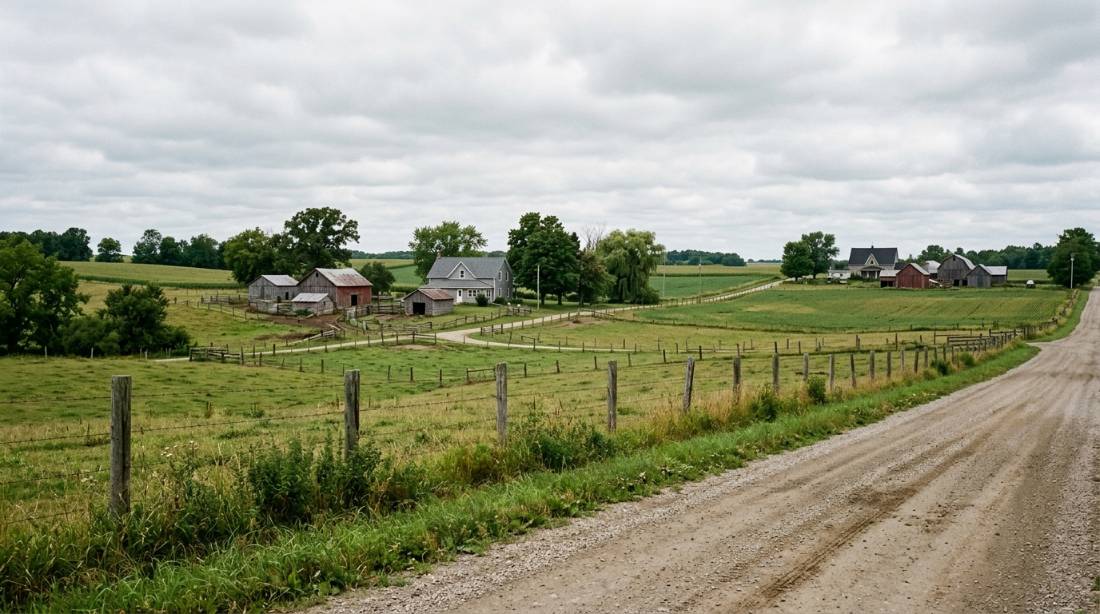
Say what the line feeds, house, barn or waterer, and roughly how far it runs.
Get Help FastCoverage
What we cover around Magnolia
Across the community and the country roads out of it, ZIP 42757.
The settlement
The small center and the roads immediately around it.
Working farms
Houses, barns and waterers on wells with long buried runs.
Country roads
Outlying frontage where the road name is what we need.
All of Magnolia, one number, honest about the distance.
Ground conditions
What a pro expects to find in Magnolia
Wells, septic fields and karst, the three things that decide the order of work.
Private systems
Wells and septic fields
Wells with pressure tanks and switches, septic fields, and long buried runs to barns, waterers and outbuildings.
A pressure complaint here is the system, not the house. Check the tank charge and switch before condemning a pump.
Karst
Water travels through rock
Soluble limestone with open joints. Escaped water moves away from where it left the pipe and frequently never surfaces at all.
Never dig on a guess. Acoustic location first, excavation only where the reading says.
Cold and exposure
Long runs, hard frosts
Rural and elevated properties with supply pipe under floors, through crawl spaces and out to hydrants and outbuildings.
Insulation and heat tape on exposed runs in autumn. Far cheaper than a burst line in January.
Any hour, anywhere in Larue County.
The services called for most in Magnolia
Well pumps, septic fields, buried runs and hard water.
Questions
Magnolia questions
Possibly, but three cheaper things fail first: the pressure switch, the pressure tank losing its air charge, and a clogged filter or screen. A waterlogged tank makes the pump short-cycle, which is what eventually kills it. A pro checks the tank charge and the switch before condemning the pump, and please stop cycling it in the meantime.
Because on limestone ground the water does not stay where it left the pipe. It travels through open joints in the rock and surfaces somewhere else, or never surfaces at all. That is why acoustic location comes before excavation here, digging on a guess is how you end up with two holes and the same leak.
Three places worth checking: the meter pit at the property line, the point where the supply comes through the foundation or crawl space, and the cold inlet on top of the water heater for the hot side alone. In older Magnolia houses the indoor valve may be seized, which is worth knowing in advance.
Walk the house looking for pipe you can see and touch: those are the ones that freeze. Cover them, leave a cabinet door open under an outside-wall sink on a bad night, and know where the shutoff is, because a split line does its worst in the twenty minutes before someone finds the valve.
Ten to twelve years is a fair working life, and past that you are trading a planned replacement for an unplanned flood. Check the date on the label. If it is a tank in a finished part of the house and it is over ten, replacing it on your terms is cheaper than replacing it on its terms.
Look for an access lid, a drain field you avoid with the mower, and no sewer line on the bill. In Larue County plenty of properties on the outskirts are on tanks while the centre of town is on a main. Knowing which you have decides whether the fix is a pump-out or a rod.
The house side, meaning the tank, switch and controls, is where we start, and that is where most of these faults live. Around Larue County plenty of properties run on wells, and the same pattern turns up: a tank past its life making the pump do ten times the work it should.
Kentucky sits on limestone, so hard water is the default rather than the exception. Scale shortens the life of heaters and valves and blocks aerators. It is treatable with the right softener, sized to the household and plumbed with a bypass so the outside taps are not softened too.
No price from us, and be careful with anyone who gives you a firm figure before seeing it. Access matters as much as the fault here, a heater in a tight crawl space and the same heater in a garage are not the same job.
Anywhere in Magnolia, any hour
One number, an honest travel window, around the clock.